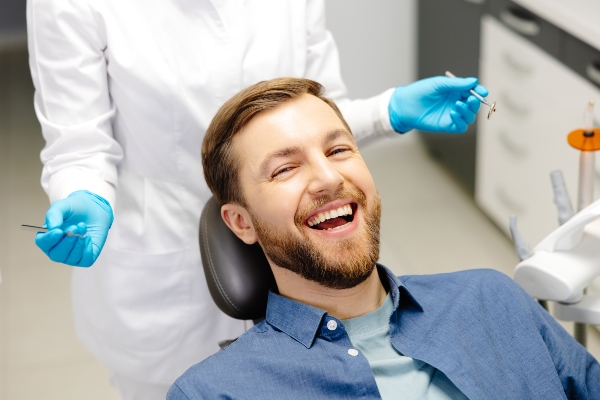
 Regular visits to a dental practice provide essential care for achieving and maintaining optimal oral health throughout a patient’s lifetime. Beyond treating immediate dental concerns, a dental practice emphasizes preventive care, patient education, and tailored treatments designed to safeguard oral health for years to come. Understanding the role of professional dental care underscores the importance of establishing a relationship with a trusted dental practice.
Routine dental exams and cleanings
One cornerstone of long-term oral health is regular dental examinations and cleanings. Routine visits to a dental practice allow dentists to detect potential problems at early stages, significantly reducing the risk of more serious complications. Comprehensive exams typically include thorough examinations and cleanings to remove plaque and tartar buildup. A thorough examination can include digital imaging to identify cavities, gum inflammation, and early signs of oral cancer. Consistent visits to a dental practice ensure the early detection and management of conditions, minimizing treatment complexity and cost.
Preventive treatments offered by a dental practice
Preventive dentistry encompasses procedures specifically designed to protect teeth from decay and other forms of damage. Fluoride treatments and dental sealants represent two of the most effective preventive services a dental practice provides.
Fluoride treatments strengthen tooth enamel, making teeth more resistant to acid attacks from bacteria and sugars. Dental sealants, thin protective coatings applied to the chewing surfaces of molars, help shield teeth from decay by preventing food and bacteria accumulation in the grooves. Both treatments significantly decrease the incidence of tooth decay, particularly in children and adolescents, fostering long-term oral health.
Patient education and personalized care
An essential component in promoting long-term oral health is patient education. Dentists at a dental practice provide tailored patient recommendations based on individual needs, lifestyle, and risk factors. Education typically includes proper oral hygiene practices such as effective brushing and flossing techniques, dietary guidance to reduce cavity risks, and information regarding tobacco cessation or other lifestyle factors impacting oral health.
Moreover, personalized care plans developed by a dental practice account for each patient’s unique oral health conditions, age, and medical history. These individualized plans ensure that patients receive appropriate and effective treatments designed to maintain oral health throughout their lives.
Advanced treatments and restorative care
When dental issues arise, a dental practice offers advanced restorative treatments to effectively manage and reverse damage. Procedures such as dental fillings, crowns, bridges, and dental implants not only restore oral function and aesthetics but also prevent further complications. Timely restorative intervention maintains overall dental structure and prevents issues such as bite misalignment and tooth shifting.
Additionally, treatments addressing gum disease, like scaling and root planing, contribute significantly to preserving oral health by eliminating bacteria and reducing inflammation.
Visit our dental practice today
Ultimately, a dental practice plays a pivotal role in ensuring oral health longevity. Combining preventive care, patient education, personalized treatment, and advanced restoration, dental professionals empower patients to maintain healthy smiles for life.
Request an appointment or call Brede Ciapciak Dental at 781-443-8134 for an appointment in our Needham office.
Recent Posts
Many individuals experience oral health issues beyond surface-level discomfort due to underlying conditions and require professional evaluation. A dental practice diagnoses, treats, and prevents these concerns before they progress into more severe complications. Scheduling regular visits with these dental professionals can help you maintain your oral health in the short and long term.Regular dental examinations…
Scheduling an initial visit to a dental practice marks the first step toward maintaining optimal oral health. Proper preparation for this appointment ensures a seamless experience, allowing the dental team to provide the highest-quality care possible. Understanding what documents and information to bring facilitates efficient care, reduces stress, and helps patients feel comfortable and informed…
Visiting dental practices remains important for individuals seeking proper strategies to maintain clean teeth and healthy gums. Effective brushing and flossing habits prevent cavities and gum disease, contributing to oral comfort. While these techniques may appear simple, many people benefit from expert guidance to ensure thorough and gentle oral care. The following recommendations offer step-by-step…