For individuals who need to restore or replace damaged or missing teeth, dental implants are lasting, high-quality restoration options. The process can be lengthy from start to finish, but this dental appliance gives patients results worth waiting for. However, without the right aftercare, an infection can form and cause extreme discomfort to a patient. Proper dental hygiene and prevention efforts can reduce the likelihood of infection setting in.
Who needs dental implants?
For adults who have experienced tooth loss as a result of mouth trauma, infection, decay, or another reason, implants are alternatives to bridges and dentures. Adolescents who have gone through the phase of facial development, generally past the age 16 for girls and 18 for boys, may also be good candidates. These appliances are designed to last for many decades, protect healthy teeth and facial bones, and provide a permanent tooth replacement option.
How can infections be prevented?
As with any treatment or procedure, following the instructions of the care provider is crucial for avoiding complications. With implants, these four tips can reduce the chance of developing an infection as the wound in the mouth heals, second to the dental professional's advice.
1. Rinse regularly
The mouth is a gathering place for bacteria, and removing plaque is one of the reasons teeth brushing is so important. During the healing after the implant procedure, there is a greater concern that bacteria can form inside the wound and cause infection. Thoroughly rinsing the mouth out helps keep the wound and mouth free from harmful germs. Saltwater or mouthwash are both effective in keeping the area clean.
2. Keep up with dental hygiene
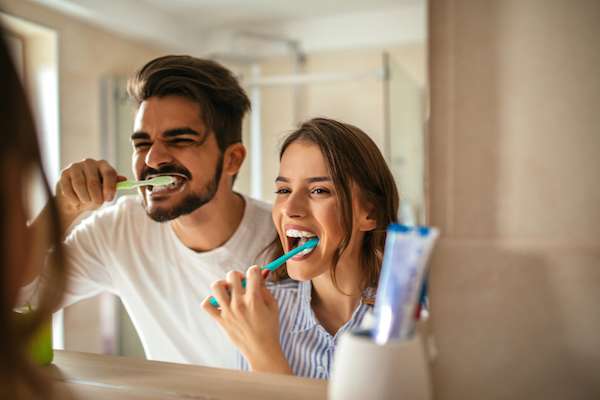
Even without implants, it is recommended that good oral hygiene include brushing and flossing at least twice a day. In the days immediately following the procedure, brushing must be gentle near the area around the wound. However, do not avoid brushing, as the surrounding teeth could harbor bacteria or particles that can cause infection. Flossing is also important, as this process removes particles trapped between the teeth.
3. Maintain dental checkups
The provider who placed the dental implants will give a schedule of when to visit the office for a checkup. The wound will be evaluated to ensure that bacteria are not forming, and in addition to preventative measures, a patient may be prescribed a medication to address signs of infection.
4. Avoid damaging foods
As far as dental health is considered, food and drinks that are high in sugar should be avoided. Sugary substances increase the amount of bacteria that gets trapped in hard-to-reach places, increasing the threat of infection. Rinsing directly after consuming foods high in sugar can help reduce the risk.
Conclusion
Dental implants are a reliable way to restore uniformity, function, and beauty to a mouth with lost teeth, but an infection can make the healing process more difficult. It is much easier to adopt healthy oral hygiene habits to prevent the risk of infection, rather than trying to deal with the pain and process of clearing one up.
Request an appointment or call Brede Ciapciak Dental at 781-443-8134 for an appointment in our Needham office.
Recent Posts
Many people assume that only a small group qualifies for dental implants. On the contrary, a wide range of adults are eligible to replace teeth with this popular smile restoration. To start, most candidates simply need to be in good health, have a strong jawbone, and practice good oral hygiene. A dental provider looks at…
Dental implants replace tooth roots, anchoring right into the jawbone. They support natural chewing forces, protect the jawbone from tissue loss, and stabilize confident smiles. This design makes them a smart investment for those seeking a long-term solution to replace missing teeth. While dental implants can last a lifetime, their longevity depends on proper care…
When someone is missing one or more teeth, it will affect not only their ability to eat, but also the health of their jawbone and face structure, and this can all be corrected with dental implants. As an additional concern, these implants can improve your smile, which will be good for their confidence level and…