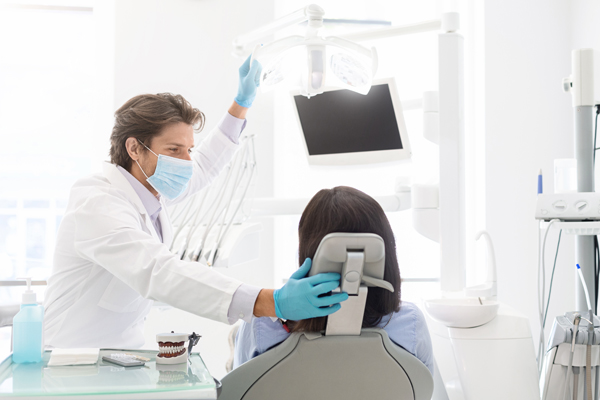
A laser dentist offers a modern approach to treating gum disease, using advanced technology that reduces discomfort, speeds up healing, and improves patient outcomes. Early detection and gentle treatment make a significant difference in the first stages of periodontal care. Laser dentistry allows for precise, minimally invasive care that preserves healthy tissue and enhances long-term oral health. As this technology continues to evolve, more general dentists are integrating laser methods into their practices to offer patients a more comfortable and effective solution.
How laser dentistry works in periodontal treatment
Laser therapy in dentistry uses focused light energy to target and remove inflamed or infected gum tissue. During periodontal care, the laser dentist uses this precision-based tool to access deep periodontal pockets, disinfect the area, and stimulate the body’s natural healing response. Unlike traditional methods, this approach does not require cutting with scalpels or placing sutures, often leading to less bleeding, swelling, and discomfort after treatment.
The laser can also support the reattachment of gum tissue to the tooth surface and help seal the area to prevent future bacterial growth. This makes laser-assisted periodontal therapy an ideal choice for patients seeking effective treatment with minimal recovery time.
Benefits of choosing a laser dentist for gum care
Laser-assisted periodontal care provides several advantages when compared to conventional methods. These include:
- Minimized discomfort and faster healing: Patients experience less pain during and after the procedure, often eliminating the need for extensive pain management.
- Increased precision and tissue preservation: Lasers target only diseased tissue, leaving healthy areas untouched.
- Reduced risk of infection: Laser energy sterilizes as it works, lowering the risk of post-treatment complications.
- Improved treatment outcomes: Laser procedures encourage gum regeneration and better long-term periodontal stability.
A laser dentist can tailor treatment to individual needs, offering a level of care that aligns with modern standards for comfort and results.
Ideal candidates for laser periodontal therapy
Patients with moderate to severe gum disease, especially those hesitant about traditional surgical treatments, often benefit most from seeing a laser dentist. Laser therapy is particularly effective for individuals with deep gum pockets, chronic inflammation, or recurring periodontal infections. It may also help to manage existing conditions and prevent further deterioration of gum health.
Additionally, patients with medical conditions that affect healing—such as diabetes—may prefer laser therapy due to its gentle approach and reduced impact on surrounding tissues.
Laser dentistry vs. traditional periodontal surgery
Traditional gum surgery typically involves cutting away infected tissue and suturing the gums back into place after cleaning the tooth roots. While effective, this method can be invasive and may require extended healing time. A laser dentist uses an alternative method that focuses on precision and preservation. The laser allows for thorough cleaning and decontamination without removing healthy tissue unnecessarily.
This conservative approach often results in better cosmetic outcomes, such as less gum recession, and can be performed in a shorter amount of time. Patients can often return to normal activities more quickly than after traditional surgery.
The role of a general dentist in laser periodontal care
As a laser dentist, a general practitioner plays a vital role in identifying the early signs of periodontal disease and providing prompt, effective treatment. The dentist can detect issues such as gum inflammation, bleeding, or bone loss through regular exams, digital imaging, and periodontal charting. Once diagnosed, dental lasers become part of a personalized treatment plan designed to stop disease progression and restore gum health.
Laser therapy may also work with other preventive and restorative services, including scaling and root planing, antimicrobial rinses, and routine cleanings. This comprehensive approach helps protect both the gums and the supporting structures of the teeth.
The future of periodontal care with laser technology
The role of the laser dentist is expected to grow as more practices adopt this technology, and more patients seek gentle alternatives to traditional surgery. Advancements in laser precision, portability, and effectiveness continue to improve the standard of care. As a result, laser periodontal therapy is becoming a preferred option for its clinical results and the improved experience it provides.
Get treated by a laser dentist today
Laser therapy is an innovative approach that also supports patient comfort during routine cleanings, early interventions, and cosmetic procedures involving soft tissue reshaping or contouring. By embracing these tools, general dentists can deliver care that is efficient, patient-centered, and aligned with the future of dental health. For more information or to schedule a consultation, call Brede Ciapciak Dental at (781) 443-8134.
To schedule a consultation, request an appointment on our website at https://bcdentalneedham.com or call Brede Ciapciak Dental at (781) 443-8134 for an appointment in our Needham office.
Check out what others are saying about our dental services on Yelp: Laser Dentistry in Needham, MA.
Recent Posts
Laser dentistry is a less invasive way to treat gum disease. Continue reading to learn more about how laser dentistry is used to treat periodontal disease. Gum disease is caused by oral bacteria in plaque and tartar building up on teeth roots and gum pockets. Plaque, a sticky film that develops in the mouth, contains…
Tooth decay can cause a variety of symptoms. Whether you have been dealing with a toothache or have noticed a pit in your tooth, a family dentist can help. They will work to restore the tooth with cavity treatment.It is recommended that patients see a dentist as soon as they notice the signs and symptoms…
Wondering how a family dentist can help with dental anxiety? Read on to learn more. Millions of people all over the world struggle with dental anxiety. This prevalent problem poses a major barrier to receiving proper dental care. A family dentist can play a critical role in alleviating dental anxiety. When you visit your family…
Many people feel self-conscious about cosmetic issues in their smile and want a straightforward fix. Fortunately, dental veneers provide an effective way to fix chipped, stained, or uneven teeth, allowing you to achieve a bright smile that boosts your confidence. When you understand how the treatment process works, it is much easier to decide whether…